info@grinpolish.com
+86 18098908025
Follow Us:


2026
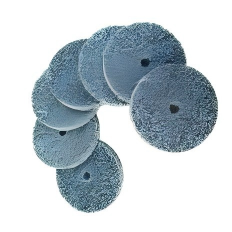
The automotive manufacturing industry is rapidly shifting toward robotic grinding and automatic polishing lines. Robotic systems bring higher consistency, stable output and lower labor cost for mass production of auto parts, including exhaust pipes, cast aluminum chassis components, wheel hubs, valve bodies and stamped brackets.
However, many manufacturers encounter a common bottleneck after deploying robotic polishing cells: standard off-the-shelf abrasive belts and polishing wheels are not optimized for robotic contact force, fixed line speed and continuous non-stop operation. Ordinary abrasives often suffer from uneven wear, premature clogging, edge chipping and fluctuating material removal rate. The result is inconsistent surface finish, frequent machine shutdowns and increased per-part production cost.
Unlike manual polishing, robotic grinding requires abrasives with tight dimensional tolerance, predictable wear rate and stable hardness throughout the whole service life. Slight variation in polishing wheel density or abrasive belt grit uniformity will directly lead to visible scratches, inconsistent brushing texture or unstable Ra value on auto parts.
To solve these pain points, we developed customizable polishing wheels and abrasive belts dedicated to automotive robotic grinding applications.
Customization Options for Robotic Polishing Abrasives
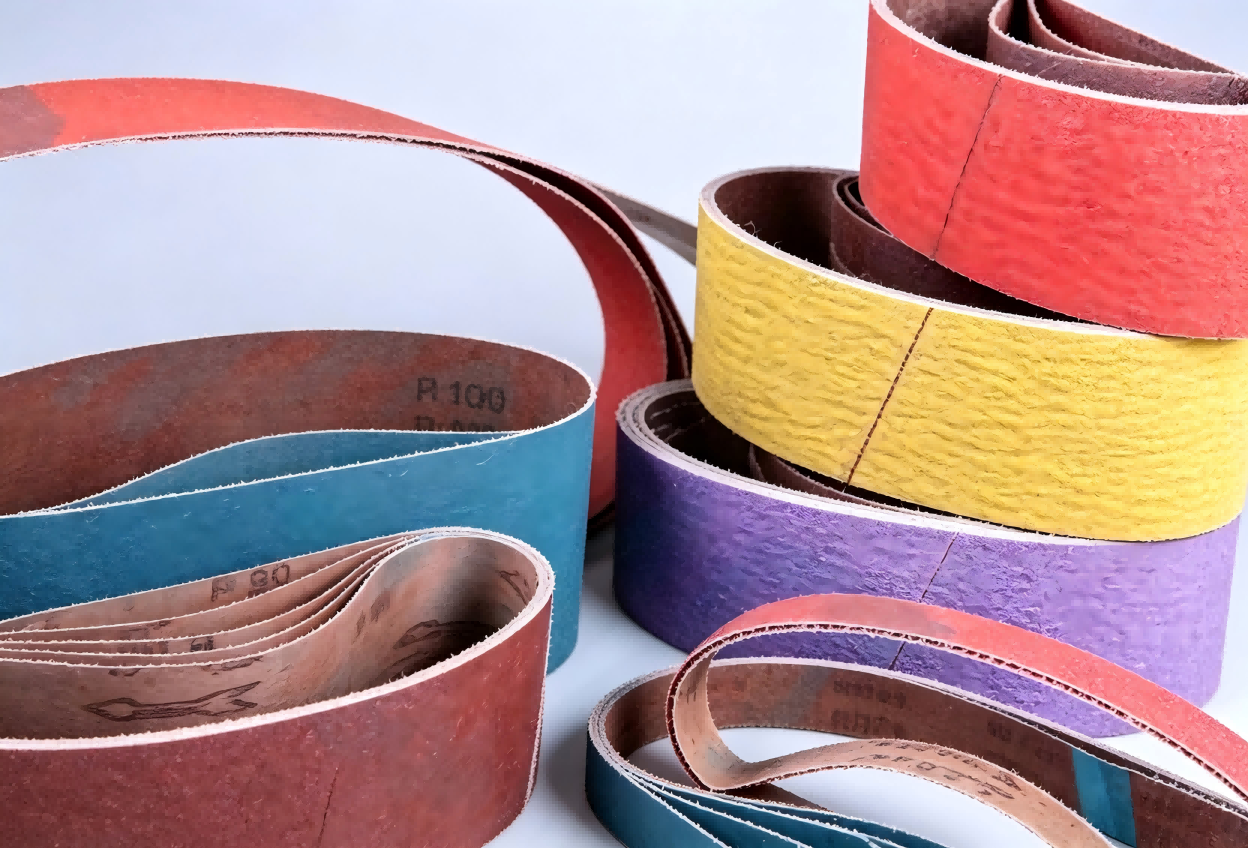
For abrasive belts:
• Custom width, length and joint type according to your belt sander robot
• Adjustable abrasive grain: zirconia alumina for stainless steel auto exhaust, silicon carbide for aluminum alloy parts
• Optional anti-clog coating for continuous high-temperature polishing
For polishing wheels:
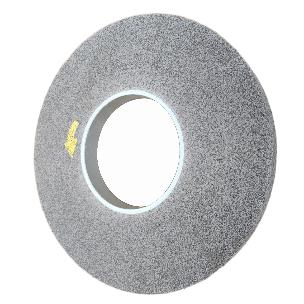
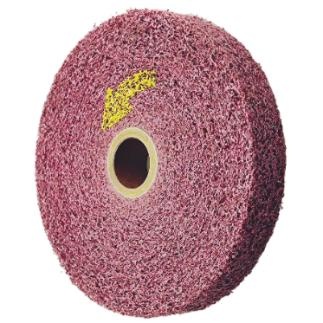
• Custom outer diameter, thickness, hole size and density
• Adjustable bonding hardness: soft wheels for curved surfaces like exhaust elbows, hard wheels for flat chassis parts
• Material options: cloth wheel, nylon polishing wheel, non-woven wheel for different finishing targets (deburring, brushed finish, mirror polishing)
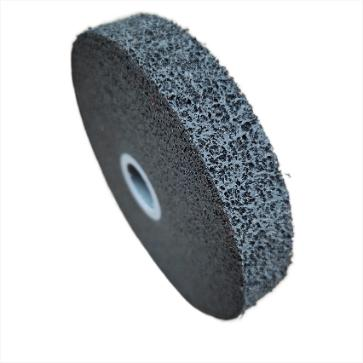
Our technical team will tailor the abrasive solution based on your actual working parameters: robot model, contact pressure, line speed, workpiece material, part geometry and target surface roughness. We help you avoid typical robotic polishing defects: surface burning, uneven grain lines, wheel edge damage and batch inconsistency.
With stable material removal performance during long continuous robotic cycles, our custom abrasives reduce downtime caused by frequent abrasive replacement. For mass auto parts production, it effectively cuts overall finishing cost while keeping stable product quality.
Sample Testing Now Available
We fully understand that every robotic polishing project has unique working conditions. Before bulk order, real machine sample testing is essential to verify abrasive life, surface quality and compatibility with your robotic system.
Our sample service is open now. Please provide the following information for us to formulate a targeted solution:
1. Workpiece material and part photos / drawings
2. Robot model and polishing machine parameters
3. Processing objectives: deburring / brushing / mirror finish, target Ra value
4. Production volume and working cycle
We will select or customize suitable abrasive belts and polishing wheels and send samples for your on-machine test. After testing, our engineers can adjust grit, hardness or size according to your feedback.
If you are upgrading your auto robotic grinding line or searching for reliable custom polishing consumables, feel free to contact us to discuss your project and request samples.